

Awe
Read Time / 3 Minutes
Theme / Wise Living
“Awe” is an expression I seldom use as a stand-alone word. The closest I come is “awesome” which makes its way into my vocabulary occasionally. For me, awe is reserved for mountain top experiences. The Merriam-Webster Dictionary defines it this way: “an emotion variously combining dread, veneration, and wonder that is inspired by overwhelming greatness (as in beauty, power, or size).”
When I’m birding, the wonder aspect of awe is evident. Etched in my mind is the first time I saw the beauty of Black Turnstones on the Oregon coast, a Snowy Plover on the shores of Washington, Harlequin Ducks on a river in Wyoming, an Upland Sandpiper on the open fields of South Dakota, a Baltimore Oriole in the trees of Kansas, and Lazuli Buntings in the mountains of Idaho.
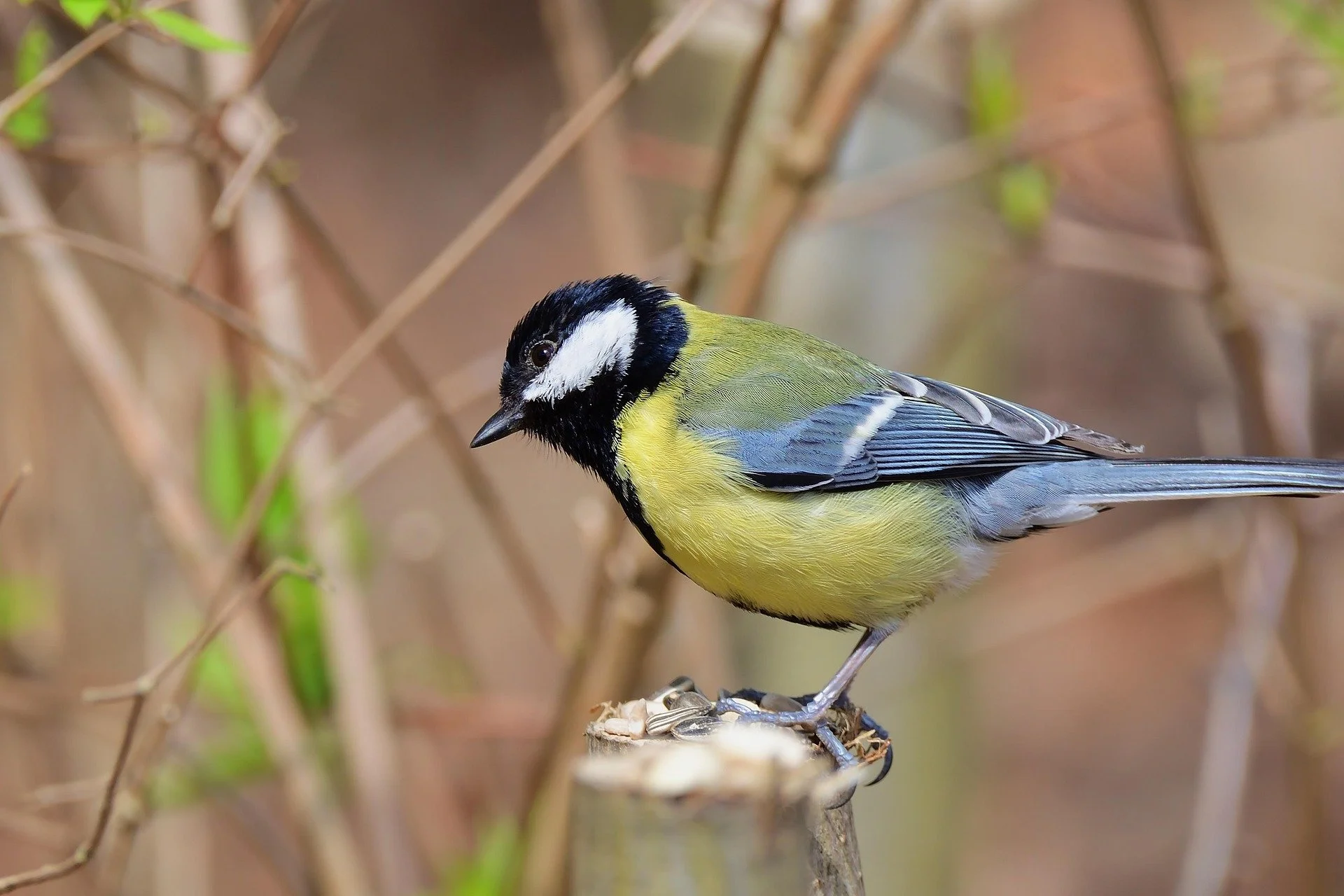
A few days ago, I grabbed my binoculars and strolled through a small, wooded area near my home. It was a beautiful day. As I walked slowly, I scanned the tree tops and noticed a Western Kingbird sitting quietly on a dead branch. It was silhouetted against a clear blue sky, and the lighting was perfect to see its pale gray head and back, a bright lemon-yellow belly, and a black tail edged with white. All I could do was stop, stare, and ponder the awe of God’s creation. And this shouldn’t be a surprise. God reminds us of this in the book of Job. In chapter 39 God asks Job “Is it at your command that the eagle mounts up, and makes his nest on high? On the cliff he dwells and lodges, upon the rocky crag, an inaccessible place. From there he spies out food; His eyes see it from afar” (vv. 27-29).
I’d encourage you to take a walk soon and enjoy God’s creation. There are 1,140 bird species in America for you to appreciate. That’s over a thousand moments of awe!
Doug Hanson, MBA
Wealth Advisor
208.697.3699
doug@christianwm.com

